



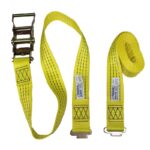


























































Before you hit the road, a five-minute check could save your load – and your wallet.
When it comes to transport safety, compliance isn’t just about ticking boxes. It’s about ensuring that every strap, chain, and piece of equipment is rated, in good condition, and capable of withstanding the forces of transport. Here’s how to make sure your setup is compliant with Australian Standards like AS/NZS 4380, 4344, and 1353.1.
1. Check Your Equipment Ratings
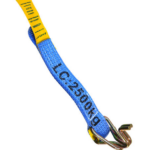
Every strap, chain, and tensioner should have a visible tag or stamp showing its Lashing Capacity (LC) or Working Load Limit (WLL).
- If the tag is unreadable or missing – it’s non-compliant.
- Never mix components with different ratings; the system is only as strong as the weakest link.
- Match your gear to the type of load (e.g. chains for steel, webbing straps for general freight).
? Tip: Keep a laminated chart in your cab showing common restraint ratings for easy reference.
2. Inspect for Damage and Wear
Even small tears, frays, or rust can significantly reduce restraint capacity.
- Straps: Look for cuts, melted fibres, fraying, or chemical stains.
- Chains: Check for bent or stretched links and rust pitting.
- Hardware: Ensure hooks, ratchets, and anchor points aren’t cracked or deformed.
Replace any item showing visible damage – don’t risk it on the road.
3. Eliminate Load Gaps
Gaps between pallets or between the load and trailer walls can cause restraint systems to loosen during transit.
- Use pallet angles, dunnage, or spacers to keep loads tight.
- Fill vertical gaps in stacked freight to prevent shifting or collapse.
- Secure stacked goods as one combined unit (not separately).
4. Confirm Restraint Forces
The Load Restraint Guide requires that your system resists:
- 80% forward force (braking)
- 50% sideways force (cornering)
- 20% rearward force (acceleration)
Make sure your restraints are rated to handle these loads, especially when combining restraint methods like tie-down and blocking.
5. Check Tags and Certification
Ensure every restraint device is tagged with:
- Manufacturer name or logo
- Lashing Capacity (LC) or WLL
- Compliance standard (AS/NZS number)
- Date of manufacture or batch number
If tags are missing or faded beyond legibility, replace the equipment immediately. Unmarked gear fails compliance checks.
6. Verify Securement Points
Anchor points, rails, and rings on the vehicle body must also meet or exceed the restraint rating. Bolted or welded connections should be checked for cracks, corrosion, or deformation.
7. Document Your Inspection
Keeping a simple inspection log or digital record of your equipment checks helps prove compliance during audits or roadside inspections.
Final Word
Compliance isn’t just a legal requirement – it’s your insurance policy against damage, downtime, and liability. Regularly check your gear, understand your forces, and stay ahead of the standards.
You May Also Be Interested In
Canvas vs PVC Truck Tarps: Which Truck Tarp is Best for Transport?
5 Ways Fleet Managers can save Time and Money: Cut Costs, Stay Compliant
15 Handy Things Every Truckie Should Pack for the Road
Lashing Capacity vs Working Load Limit: Understanding the Numbers on Your Equipment Tags
Check Out Our YouTube Channel
Products
Ratchet Strap Thrower
PVC A-Trailer Tarp
$3,200.00 ex GST
PVC Rigid Truck Tarp
Tarp Rope – 3.3m

Hand Pallet Wrap – Black
$19.00 - $29.00$19.00 - $29.00
LDPE Pallet Bags 1900mm x 25um
Ecoflute – Recycled Corflute Truck Boards 4mm x 1420mm x 1090mm

Ratchet Buckle 50mm x 2500kg
Original price was: $10.00.$9.00Current price is: $9.00. ex GST
Truck Safety Pole Bracket
$8.65 ex GST